Midnight Racing: Tokyo Best Car: What to Buy in 2026
Find Midnight Racing: Tokyo best car for Tier 4 racing, early progression, and custom builds. Compare the GT3RS, Evo 9, Viper ACR, and R34 before buying.
Jump to
What Is the Best Car in Midnight Racing: Tokyo?
A fast car becomes an expensive headache when every corner turns into a recovery job. For your Midnight Racing: Tokyo best car shortlist, start with the 2011 Porsche 911 GT3RS as an all-around Tier 4 option. Its retune improved rear grip, making stability a major reason to consider it.
That recommendation changes if you’re still building your garage. The Evo 9 is a useful progression candidate, while the R34 GT-R deserves attention when customization matters as much as racing. The Viper ACR offers another performance option, but its handling demands more care.
MRT has over 180 cars, advanced tuning, and seven maps. Pick around the races you actually drive: highway gearing and mountain-road handling ask different things of the same build.
Official page: Midnight Racing: Tokyo (roblox.com)
Porsche 911 GT3RS: The All-Around Tier 4 Pick
The 2011 GT3RS became a much more compelling purchase with its handling changes. Increased rear grip improved stability, and its smooth behavior over bumps makes it appealing for longer routes such as Goliath.
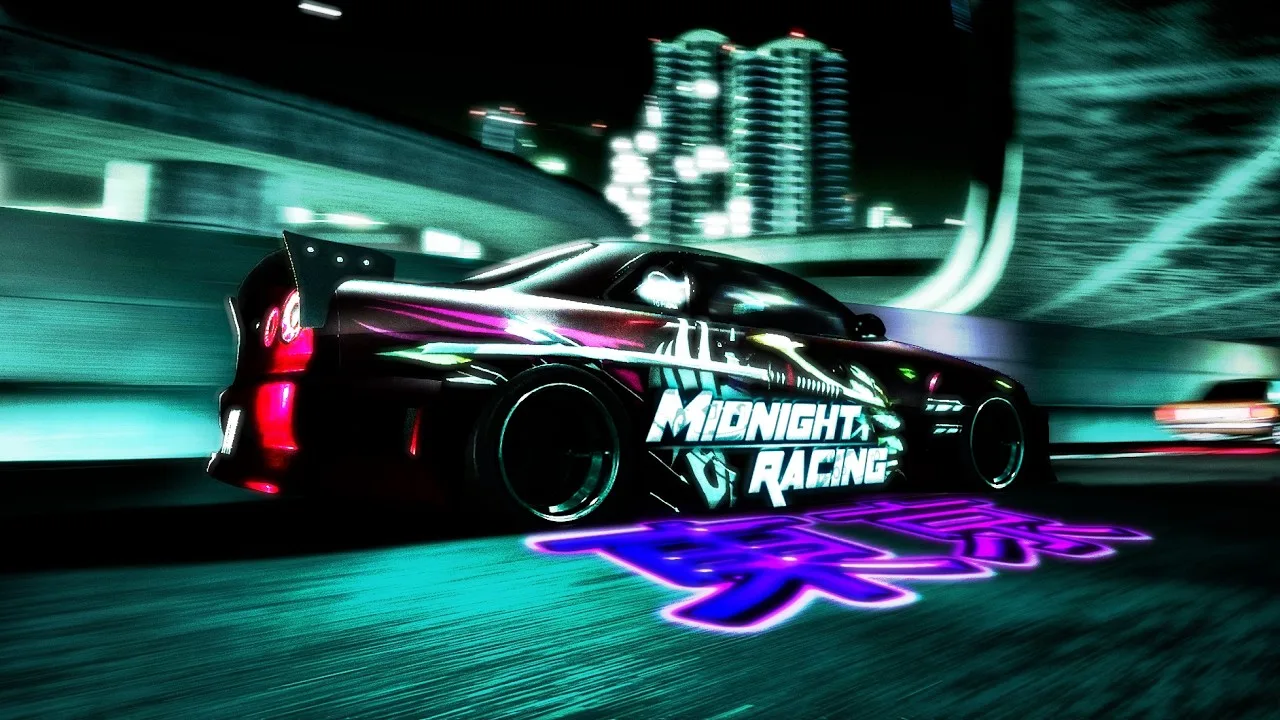
Consider it when you reach the Level 40 Tier 4 unlock. It offers a strong starting point for a performance build without making outright power the whole attraction.
Its main weakness is rotation. The car can resist turning, particularly when braking and steering overlap. Extra rear stability helps keep the car settled, but tight corners still demand deliberate inputs.
Build around those characteristics:
- Finish more of your braking before turning into a corner.
- Adjust brake bias gradually if the car refuses to rotate.
- Test brake strength alongside bias instead of automatically choosing the strongest setting.
- Revisit an older tune after a handling update.
Keep the distinction between stability and agility in mind. A car that stays planted over rough sections can still need work through slow corners.
Early Progression: Starter Car, Shuriken, or Evo 9?
Keep the Yokota 68 While Saving
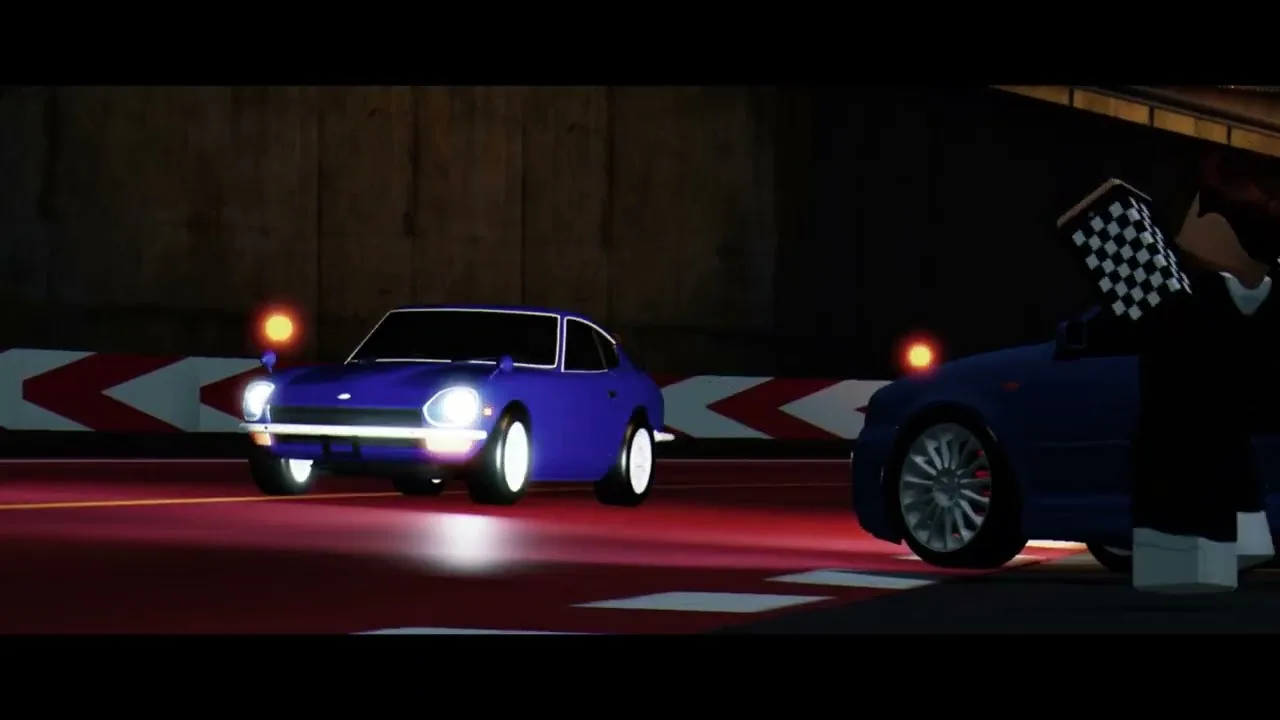
The Yokota 68 serves as your beginner car in the 2026 starting setup. Keep driving it while saving for a deliberate upgrade rather than immediately spending your starting yen on a replacement.
Use those early races to learn braking points and throttle control. Changing cars constantly also divides your attention between different handling styles before you have a dependable baseline.
Consider the 99 Shuriken for an AWD Upgrade
The 99 Shuriken is a recommended Tier 3, all-wheel-drive option in the 2026 beginner progression path.
It gives you a specific target when you want to move beyond the starter. Compare its driving behavior with the kind of car you want to learn: front-wheel drive offers an easier introduction, while rear-wheel drive asks for more careful throttle management.
Build an Evo 9 for Repeat Racing
The Evo 9 is another progression candidate, with a fully upgraded build used for earning money and levels through repeated racing.
Its appeal is practical: developing one familiar car gives you time to refine its tune and learn how it behaves on your regular routes.
Focus on one manufacturer while unlocking tuning access. Manufacturer progression matters to upgrades, so spreading purchases across several brands works against that focused progression path.
Keep enough yen available for tuning access and upgrades when planning your next purchase.
Viper SRT10 vs. Viper ACR: Handling Comes First
The 4th of July update added the 2008 Dodge Viper SRT10 and 2010 Dodge Viper SRT10 ACR. Both deserve attention, but they require different expectations from a stable progression build.
| Car | Handling characteristics |
|---|---|
| 2008 Dodge Viper SRT10 | Strong stock oversteer, with a rear end that needs careful throttle inputs |
| 2010 Dodge Viper SRT10 ACR | More controlled oversteer and stronger brakes, but still sensitive to bumps |
The base Viper can become unsettled in faster corners, particularly when a bump interrupts the car’s balance. Second-gear acceleration also requires restraint.
The ACR gives you more room before the rear steps out. However, it can still react badly to uneven pavement and resist rotation in slower corners.
Prioritize handling upgrades before adding power to either Viper. Test suspension and steering changes on a familiar route before increasing engine output. For the base car’s oversteer, try a firmer front spring setup relative to the rear, then adjust gradually.
Choose the ACR if you want the more controlled starting point of these two Vipers. Expect to spend time dialing it in.
R34 GT-R and GT86: Picks for Custom Builds
The R34 GT-R stands out for customization. Its options include exterior parts, lighting changes, interior equipment, and gauge details, giving you plenty to work with beyond paint and wheels.
Choose it when building a car’s appearance is part of the reward. A clean street build and a more aggressive track-inspired setup can take advantage of different parts on the same platform.
The Toyota GT86 is another customization-focused option, with extensive choices for changing its appearance.
Keep the mechanical setup aligned with what you want to do:
- Use separate builds to distinguish a stance setup from a racing setup.
- Avoid extreme lowering on routes with uneven pavement.
- Adjust fitment alongside body changes.
- Judge a drift build by how it drives, rather than its appearance alone.
A car styled like a drift machine still needs the upgrades and setup to sustain slides.
Tune for Your Route Before Buying More Power
The same car needs different gearing for mountain passes and highways. Match the build to the route before deciding that another vehicle will solve the problem.
For touge racing, prioritize acceleration and controllable corner exits. Shorten gearing where appropriate for your car, and work on steering response without making the car abrupt or nervous.
For highway racing, adjust gearing and final drive for higher speeds. A setup focused on tight mountain sections can run out of useful gearing on longer straights.
Suspension needs a balance, too. Springs that are excessively soft or stiff can both create problems over bumps, while extreme damping can make the car bounce or react harshly.
Change one setting at a time on a familiar route. Compare braking behavior, corner entry, and exit traction before touching the next setting. If the rear steps out, address stability; if the front pushes wide, work on rotation. Add power once you can use the performance already available.
Continue with
 Midnight Racing: Tokyo Car List: Models and RemodelsExplore the Midnight Racing: Tokyo car list with the latest remodels, the Supreme MK4 convertible trim, and details on past event and starter-pack cars.
More in Cars
See all CarsContinue exploring

Midnight Racing: Tokyo Code Guide: Yen & Map Unlocks
Find a Midnight Racing: Tokyo code for free Yen, learn how to redeem rewards, unlock extra maps, and fix common errors before heading back to the streets.
Midnight Racing: Tokyo Discord: How to Join and Race
Find the Midnight Racing: Tokyo Discord community, follow devGem for new codes and updates, and connect with other racers for tuning tips and car meets.
Join the community
Official channels for news, updates and player help: